




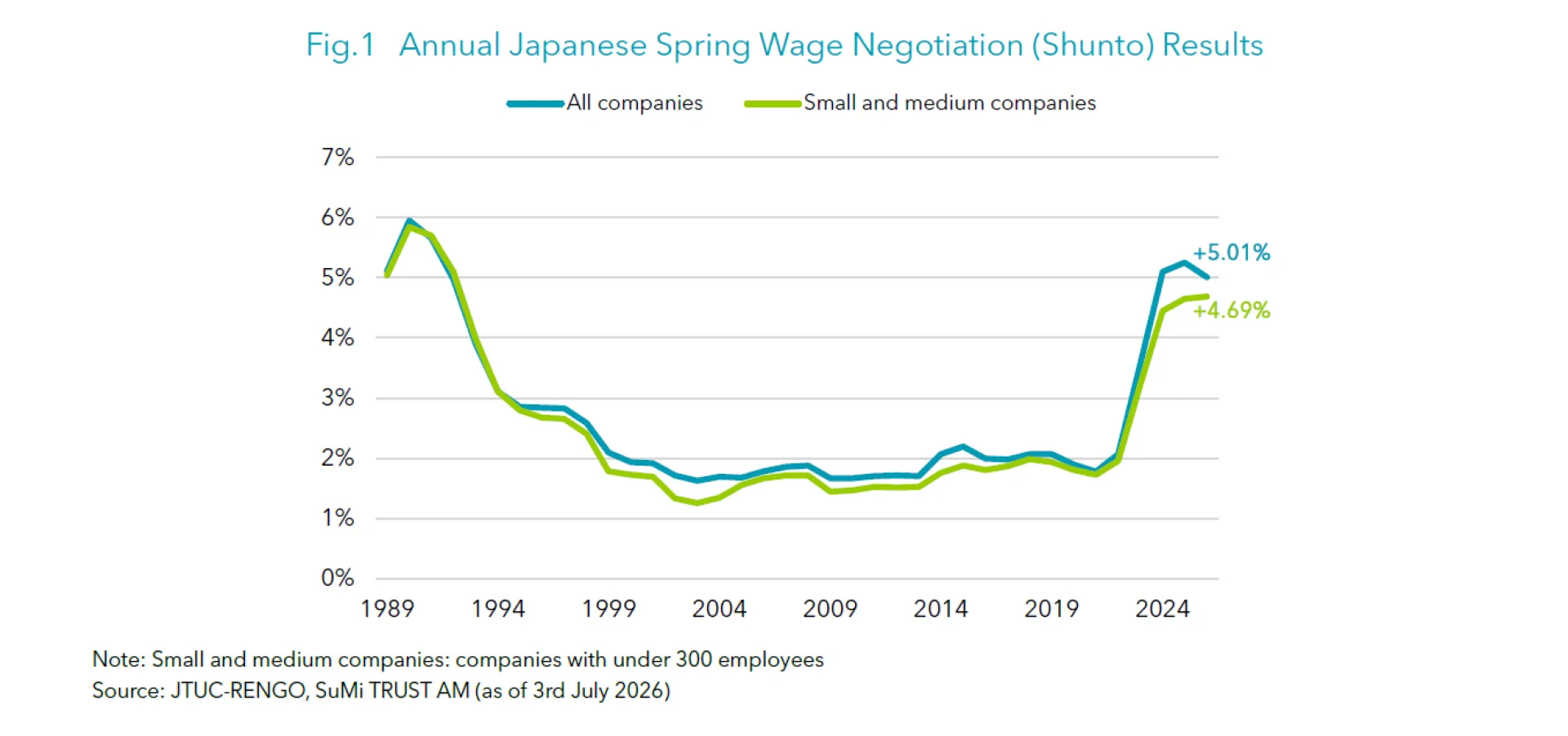
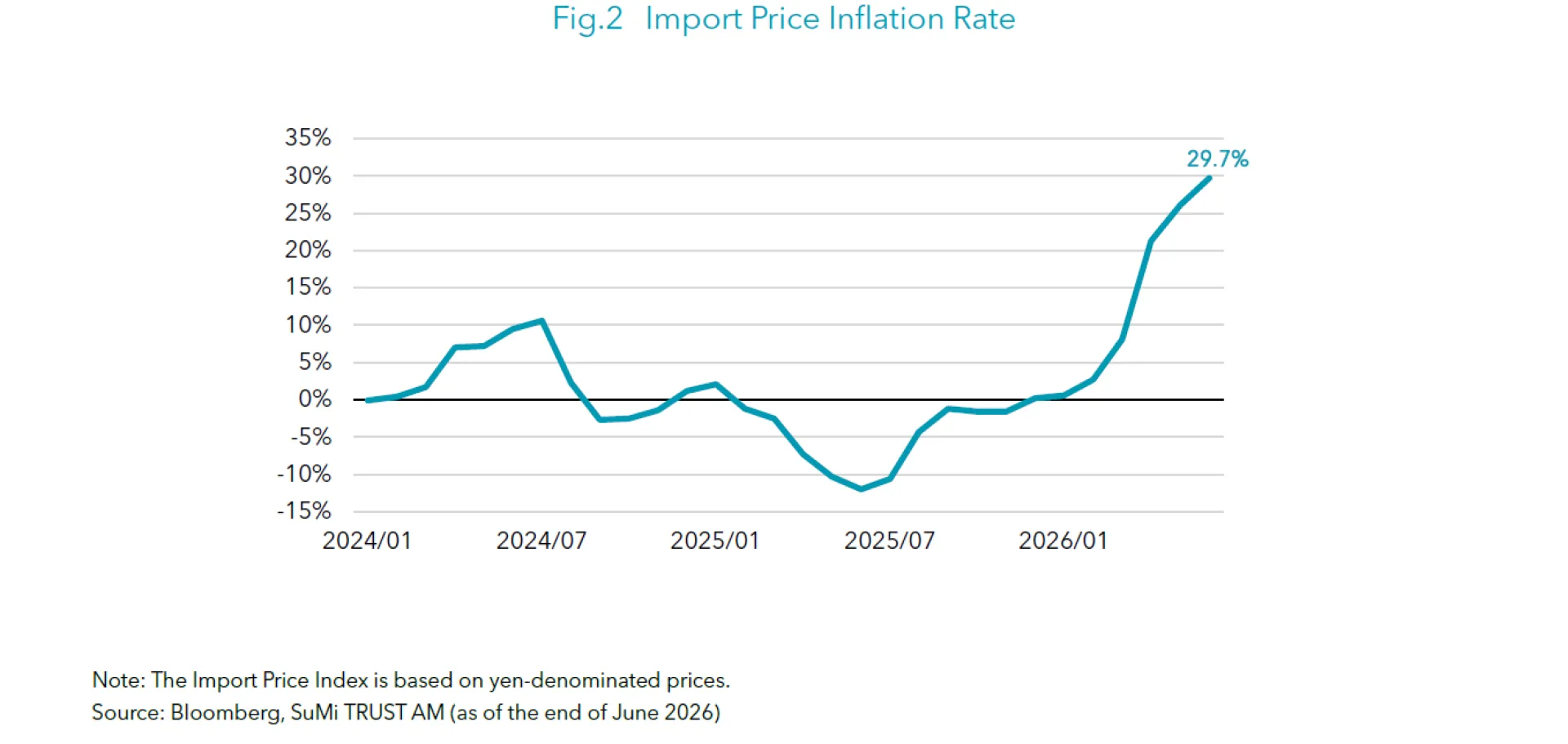
However, the Japanese economy is currently facing supply constraints on petroleum-related products, such as crude oil and naphtha, following heightened tensions in the Middle East during the first half of the year. Moreover, heightened crude oil prices and the ongoing depreciation of the yen are significantly driving up import prices.
Looking ahead to the second half of the year, corporate profits are expected to come under pressure and real incomes to decline, as supply constraints weigh on domestic production and rising import prices contribute to domestic inflationary pressures. As these factors are likely to slow the growth of domestic private demand - including corporate capital expenditure, private consumption and housing investment - we forecast that overall growth will slow compared with the first half of the year, with the real growth rate remaining around +1.0%.
II. Outlook for Interest Rates and the Bond Market
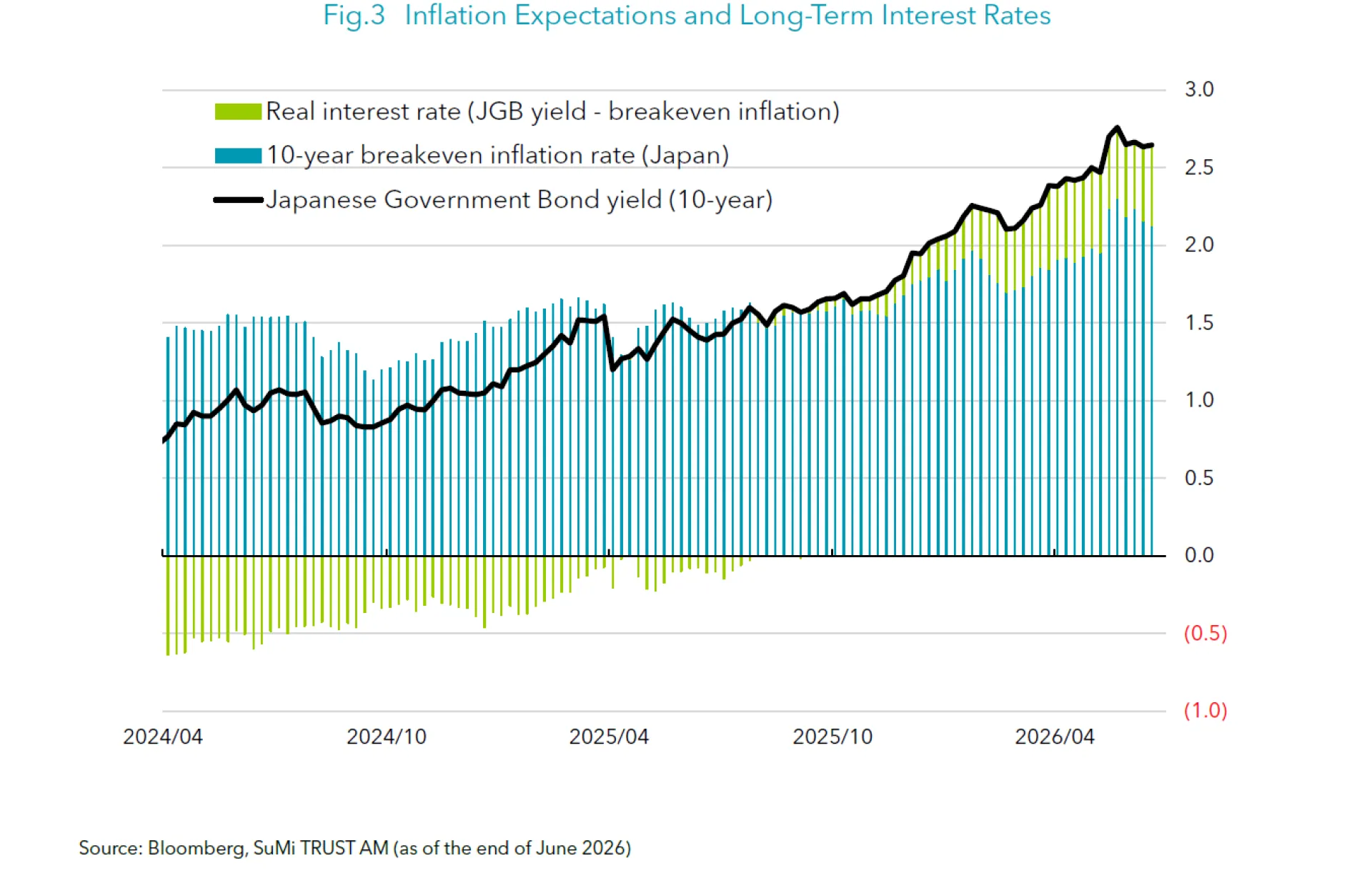
We anticipate that the yield on 10-year Japanese government bonds may reach 3.00% at times in the second half of 2026 as unease surrounding fiscal management under the Takaichi administration’s ‘responsible and proactive public finances’ continues to linger. Fiscal concerns are likely to remain as a potential source of upward pressure on interest rates.
Concerns regarding a resurgence in inflation could also lead to an upward shift in long-term interest rates. Amid the continued depreciation of the yen, there are mounting fears of an acceleration of import-driven inflation. In fact, the recent increase in long-term yields partly reflects an uptick in inflation expectations. A key issue will be whether the Bank of Japan can keep these expectations in check and avoid falling “behind the curve” by raising interest rates at an appropriate pace.
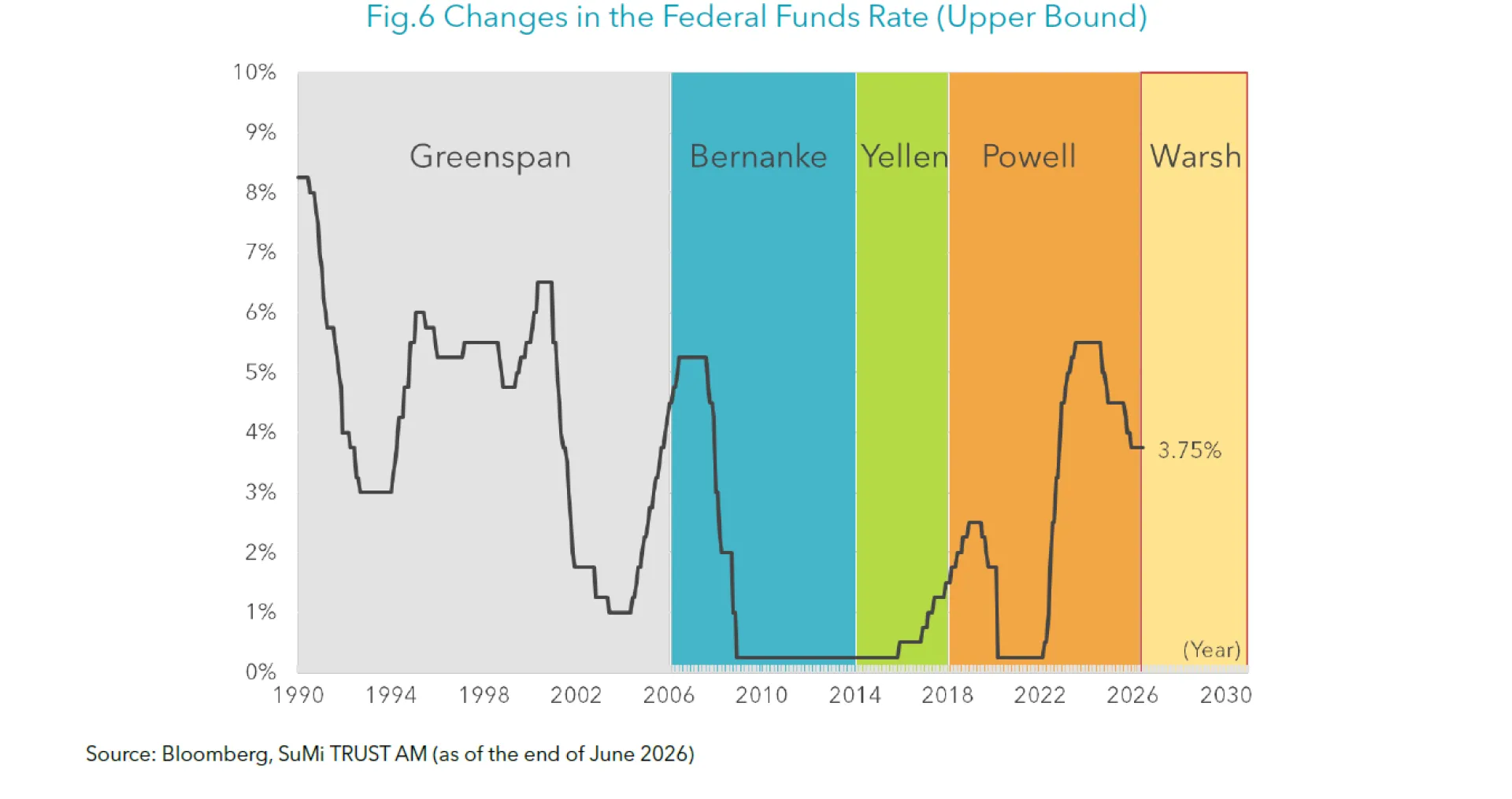
We also expect to see rising US 10-year Treasury yields in the second half of 2026. Under the newly appointed Federal Reserve Chair, Kevin Warsh, market expectations of rate hikes are likely to grow. Furthermore, Mr. Warsh has indicated his intention to review the Fed’s communication strategy and balance sheet policy. Should widespread reluctance to purchase bonds emerge against a backdrop of policy uncertainty, we are likely to see intensified upward pressure on interest rates.
III. Outlook for the Japanese Stock Market
In the second half of 2026, we anticipate the market will continue to trade at elevated levels, centred primarily around AI and semiconductor-related stocks. Revisions to the Corporate Governance Code (CGC) and progress in market reforms by the Tokyo Stock Exchange are also expected to underpin equity prices.
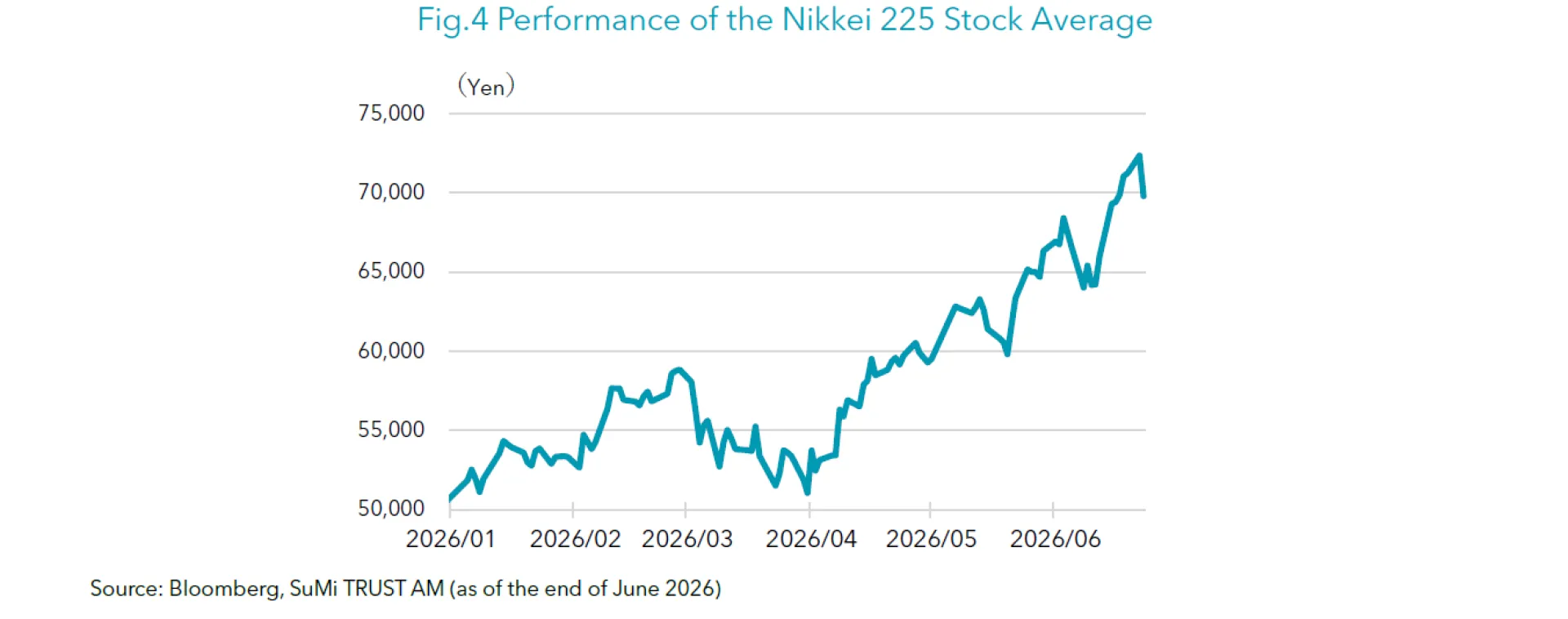
In the first half of 2026, despite temporary fluctuations, the stock market maintained an upward trend, with AI and semiconductor-related stocks leading gains amid a global acceleration in investment into these sectors. The Nikkei 225 recorded a rise of more than 35% from the beginning of 2026 through the end of June.
Looking ahead to the second half of 2026 and beyond, global demand for semiconductors is expected to expand further. As a result, strong business performance is likely to be maintained across a broad range of related companies, including those involved in materials, components, and manufacturing equipment. Backed by these solid corporate earnings, we expect stock prices to remain firm.
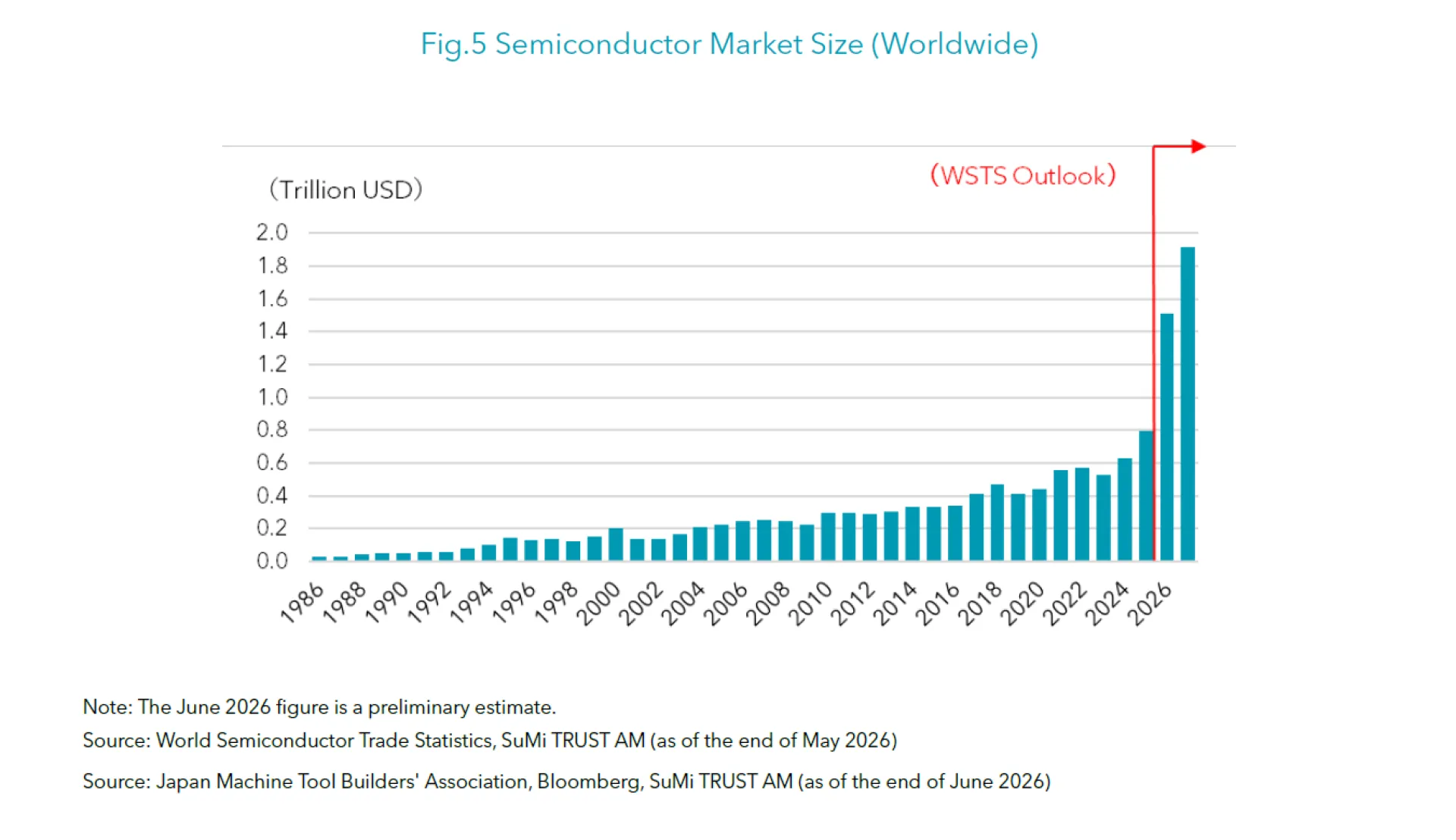
In addition, investors are viewing the significant progress in corporate governance reforms favourably. With the Corporate Governance Code (CGC) expected to be revised in July, the most notable aspect from the stock market’s perspective is the proposed inclusion of wording that calls on companies to “continuously assess whether their cash and deposits are being effectively deployed for investment and other uses”. Japanese firms are often said to hold higher levels of cash and deposits than their global peers, and the insufficient utilisation of these assets in business activities has long been regarded as a key issue. Thus, once the CGC revision is formally adopted, companies will likely face increased pressure to put excess cash to better use, such as through investments, wages, or shareholder returns, which is expected to have a positive impact on the stock market.
Furthermore, the Takaichi administration is set to finalise the “Basic Policy on Economic and Fiscal Management and Reform” in July. Within this policy, the government is expected to place particular emphasis on four sectors: AI & Semiconductors, Shipbuilding, Space, and Ocean industries. The government will actively engage in research and development in these areas, collaborating with private-sector companies. If the government begins to implement concrete policies to bolster private-sector investment, we can expect a further rise in stock prices.
Based on the above, we project that the Nikkei 225 will trade within a range of 67,000 to 77,000 yen by the end of 2026.
IV. Foreign Exchange Market Outlook
The outlook for US and Japanese monetary policy will be a key focal point. In particular, the Fed’s policy management under Mr. Warsh will be closely watched. Should the Fed shift back towards rate hikes, dollar buying pressure is likely to intensify. As for Japan, the market appears to have already priced in rate hikes of roughly once every six months. Unless the Bank of Japan signals a faster rate of tightening, a rebound in the yen is unlikely.
Outside of monetary policy, there are also concerns regarding a deterioration in Japan’s trade balance due to heightened crude oil prices, as well as unease regarding the Takaichi administration’s fiscal management. Both are set to persist as drivers of yen depreciation.
V. Risk Factors
Tensions in the Middle East remain a potential risk factor. Although there have been occasional signs of easing tensions between the United States and Iran, exchanges of attacks have recently resumed, underscoring the continued instability of the situation. Concerns also remain over the potential impact on crude oil shipments through the Strait of Hormuz, and uncertainty surrounding energy supplies remains elevated.
It remains too early to tell whether diplomatic efforts will succeed in easing tensions smoothly, or how quickly a de-escalation (if achieved) would loosen constraints on crude oil supplies. This uncertainty continues to pose a downside risk to the economy, as persistently high crude oil prices and prolonged supply constraints on crude oil and petroleum-related products are exerting further pressure on corporate profits and real household incomes.
Another risk is the potential spread of upward pressure on interest rates originating in Europe. Following Prime Minister Starmer’s announcement of his resignation on 22 June, a new government is expected to take office in the second half of the year. In the UK, concerns regarding political and fiscal management have lingered since the ‘Truss shock’ in the autumn of 2022. Should long-term interest rates in the UK surge sharply once again, there is a risk that upward pressure on long-term rates could spill over to Japan, where fiscal concerns persist against the backdrop of a massive debt burden. Finally, in the equity market, the Nikkei 225 continued to hit record highs in the first half of 2026. This trend has been driven by rising global AI-related demand, with the rally spreading to a broad range of related stocks. However, the pace of recent share price rises has been considerably faster than in the past. Whilst share price increases have been underpinned by strong corporate earnings, there is a possibility that share prices could face a significant correction should the pace of earnings improvement fall short of market expectations going forward. It will remain important to monitor the situation over the long term to ensure that market expectations do not diverge significantly from fundamentals.